





The best coves of Cap de Creus: a pristine paradise on the Costa Brava
Cap de Creus is a natural gem located at the easternmost point of the Iberian Peninsula, in the Alt Empordà region. This unique area combines steep cliffs, Mediterranean vegetation, and coves with crystal-clear waters that captivate lovers of the sea and nature. Below, we present a comprehensive guide to the best coves of Cap de Creus, with essential details to enjoy them to the fullest.
Cala Jugadora: intact beauty in the heart of the natural park
Cala Jugadora is one of the best-kept secrets of Cap de Creus. Located near the lighthouse, this small cove stands out for the extreme transparency of its waters and for being surrounded by whimsically shaped rocks that look like natural sculptures. Accessing it on foot involves a short walk, but the reward is an unforgettable swimming and snorkeling experience, away from the crowds.
- Tip: Wear comfortable footwear and bring water; there are no services nearby.
- Access: On foot from the Cap de Creus Lighthouse car park.
- Ideal for: Snorkeling, relaxation, and landscape photography.

Cala Culip: history and nature among the rocks
Cala Culip, located within the Cap de Creus Natural Park, is known not only for its natural beauty but also for its archaeological and historical richness. This was the site of the legendary Club Med, now gone, but which left its mark on collective memory.
Its calm and deep waters make it an excellent spot for scuba diving and discovering pristine marine life. The cove is surrounded by geological formations that seem to come out of a fantasy tale.
- Tip: Arrive early to enjoy the morning light among the rocks.
- Access: Walking from the Tudela area.
- Ideal for: Diving and geology enthusiasts.
Cala Galladera: solitude and rugged landscape
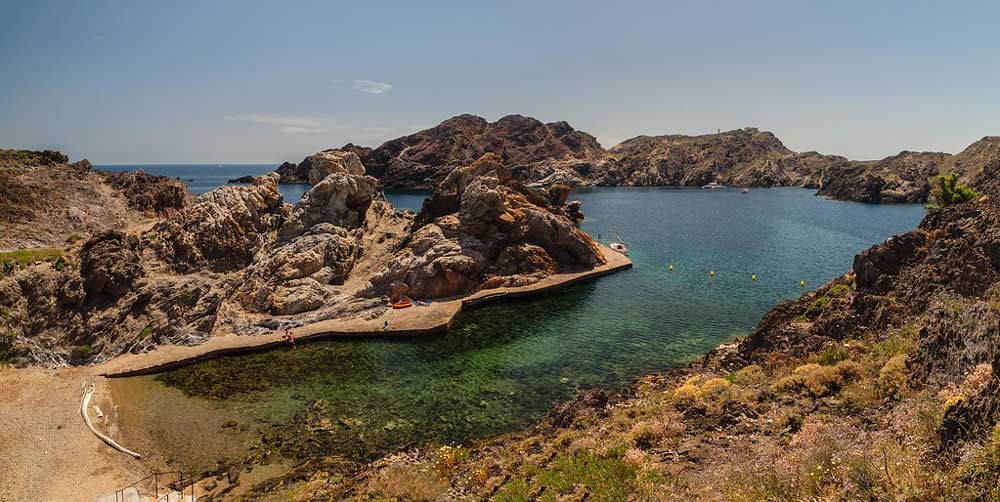
Located between Cala Culip and Punta de la Ferrera, Cala Galladera is one of the most pristine and isolated coves of Cap de Creus. It can only be reached on foot or by boat, which gives it an exclusive and quiet character.
The intense turquoise color of its waters contrasts with the dark rocky seabed, creating a surprising chromatic combination. The low number of visitors allows for a total connection with nature.
- Tip: If you go by boat, respect the regulated mooring area.
- Access: A long walk from the Lighthouse or by sea.
- Ideal for: Absolute tranquility and contemplation.
Cala Fredosa: the essence of Cap de Creus
This small cove, located very close to Cala Jugadora, is a true natural pool with immaculate waters. Its name is no deception: the water temperature can be a bit cold, but the beauty of the place more than makes up for it.
Its round stones, sparse vegetation, and the tranquility of the place make it ideal for those seeking an intimate and wild experience.
- Tip: The space is very small, so avoid peak hours.
- Access: A short walk from the Cap de Creus Lighthouse.
- Ideal for: Relaxing swims and reading.
Cala Bona: easy access and picturesque landscape
Despite being a little closer to civilization, Cala Bona retains the charm of Cap de Creus. Located a few kilometers from Cadaqués, this cove of pebbles and clear waters is perfect for families or for those who prefer not to take long walks.
Its proximity to services like restaurants and accommodations does not detract from the authentic experience, and its location in a small inlet protects it from the wind and waves.
- Tip: Ideal for a midday getaway or for watching the sunset.
- Access: By car to a nearby point, then a gentle walk.
- Ideal for: Families, picnics, and peaceful swimming.
Cala Tavallera: a remote treasure for the more adventurous
For those who want to get away from it all, Cala Tavallera is a must-see destination. It is located on the north side of Cap de Creus, between Port de la Selva and Punta de Cap Gros, and can only be accessed after a long hike or by sea.
It is a practically uninhabited place, surrounded by low mountains and Mediterranean forests, where the silence is only broken by the sound of the waves. Some people choose to camp (although it is regulated) and spend a night under the stars.
- Tip: Find out about sea conditions and natural park rules beforehand.
- Access: A 2-hour walk from Port de la Selva.
- Ideal for: Hikers, camping, and lovers of absolute silence.

General recommendations for visiting the coves of Cap de Creus
Today, Cap de Creus represents a synthesis of history, nature, and living culture. The towns surrounding the peninsula maintain a strong identity rooted in maritime traditions, crafts, and Mediterranean cuisine.
Popular festivals like the “Festa de la Mar”, traditional regattas, and gastronomic fairs celebrate this legacy. At the same time, educational and research initiatives contribute to disseminating and protecting the historical and scientific knowledge of the territory.
The future of Cap de Creus depends on the active involvement of local communities, institutions, and visitors in the care of this area. Environmental education and sustainable management are the pillars to ensure that this natural and historical treasure endures for future generations.
How to get to and around Cap de Creus
The best way to access Cap de Creus is from Cadaqués or Port de la Selva. During the summer, private vehicle access is restricted in certain areas, and it is advisable to use the shuttle bus service that connects the center of Cadaqués with the Cap de Creus Lighthouse.
Many coves can also be reached by kayak or boat, a highly recommended option for seeing the coast from the sea and accessing spots that are practically inaccessible on foot.
Conclusion: Cap de Creus, a unique landscape in the world
Visiting the coves of Cap de Creus is like taking a journey back in time and entering a wild, pristine, and mysterious world. Each cove has its own personality, and discovering them is an adventure that you will never forget. With respect and appreciation for the environment, we can continue to enjoy this unique natural treasure in Catalonia.